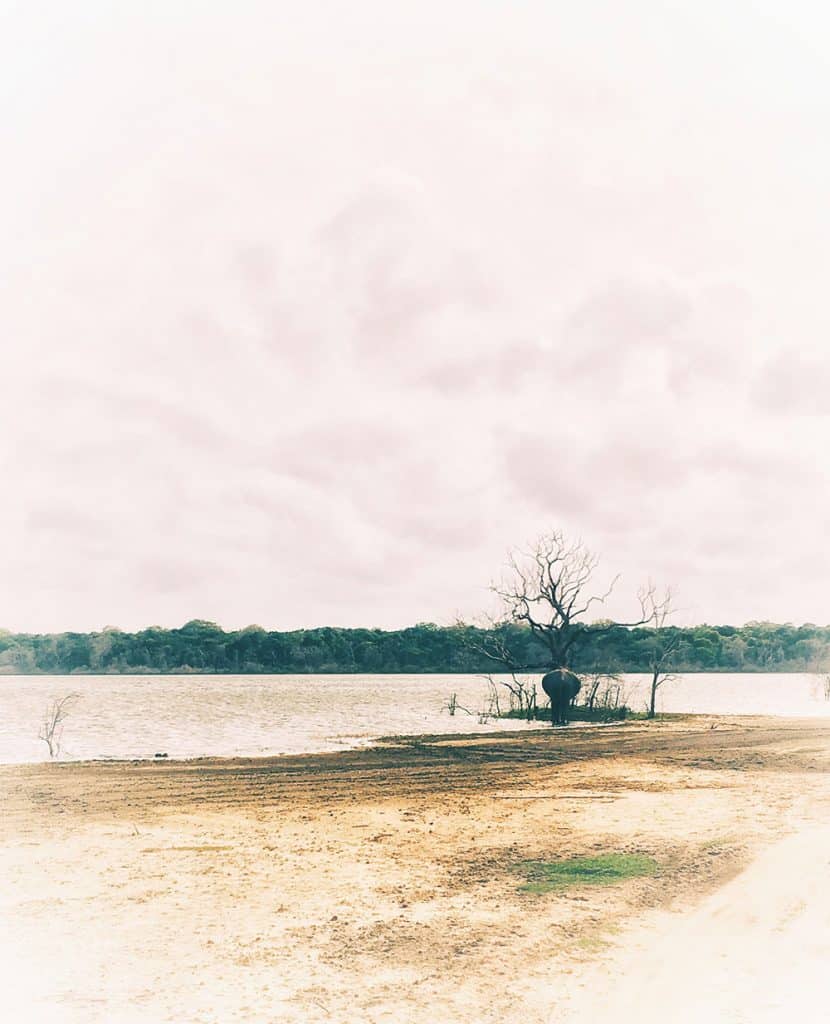
Wilpattu National Park
The Wilpattu National Park and its surrounding are steeped in history and covered with legend. Popular legend says that in 543 BC King Vijaya landed at Kudrimalai and that he married Kuweni. According to some ancient ruins identified, it is said that Kuweni lived in the place now identified as the Kali Villu. Both Kudrimalai and Kali Villu are found in the Wilpattu. Furthermore history shows that Prince Saliya, son of King Dutugemunu, lived with Asokamala in Maradanmaduwa in Wilpattu over 2000 years ago. Pomparippu too is of historical value as urns containing the remains of those belonging to pre Vijayan times have been excavated from that site. Also between Palangaturai and Kollankanatte are the remains of an old harbour.
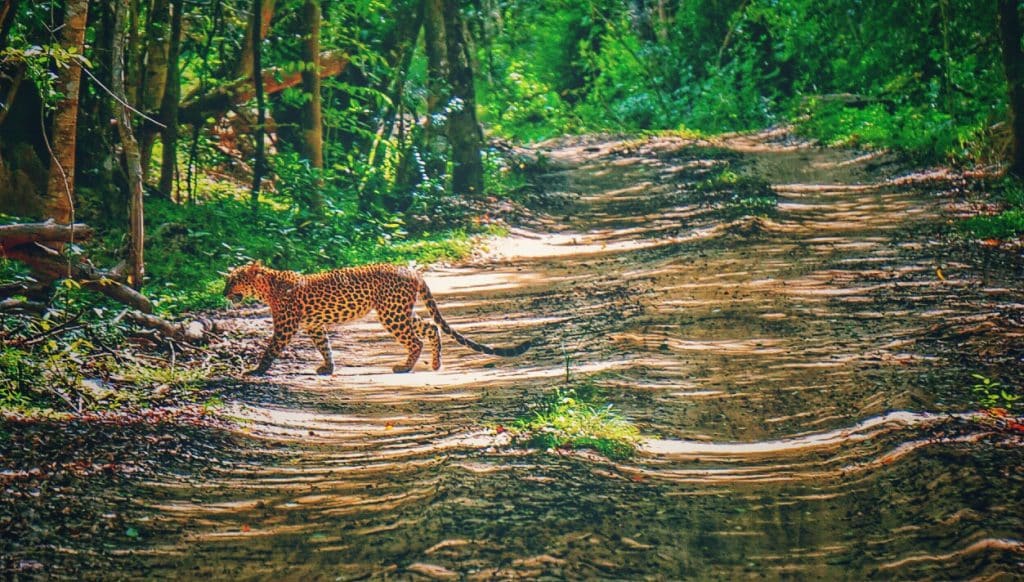
A popular belief among lovers of nature is that any time of the day one can be sure of seeing a leopard at the Wilpattu National Park. This is not just a saying, it is a fact and the Wilpattu National Park in Sri Lanka is among the top national parks in the world.
In 1905, the designated area in Wilpattu was declared a sanctuary. Thereafter it was upgraded to national park status on February 25, 1938. However, the Wilpattu National Park was closed to visitors from December 1988 due to the prevailing situation in the country and the unstable security conditions in that area. After a sixteen year hibernation, it was reopened to visitors on March 16, 2003, much to the relief of many nature lovers who had missed out on the natural treasures of Wilpattu during its closure.
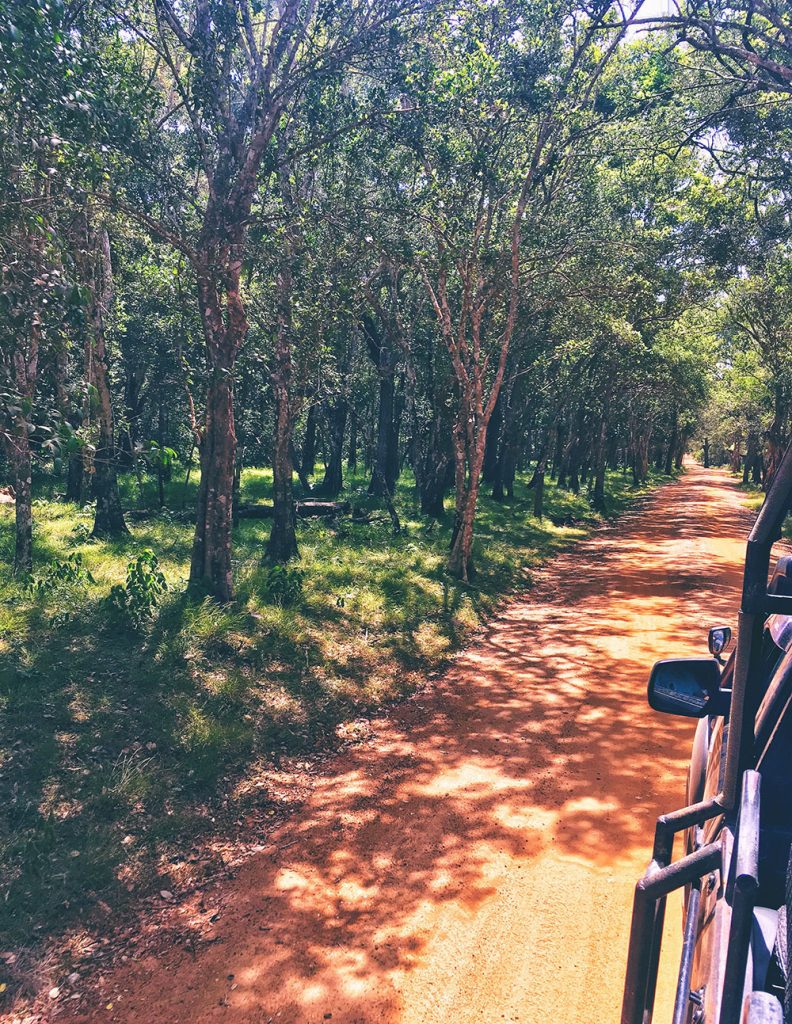
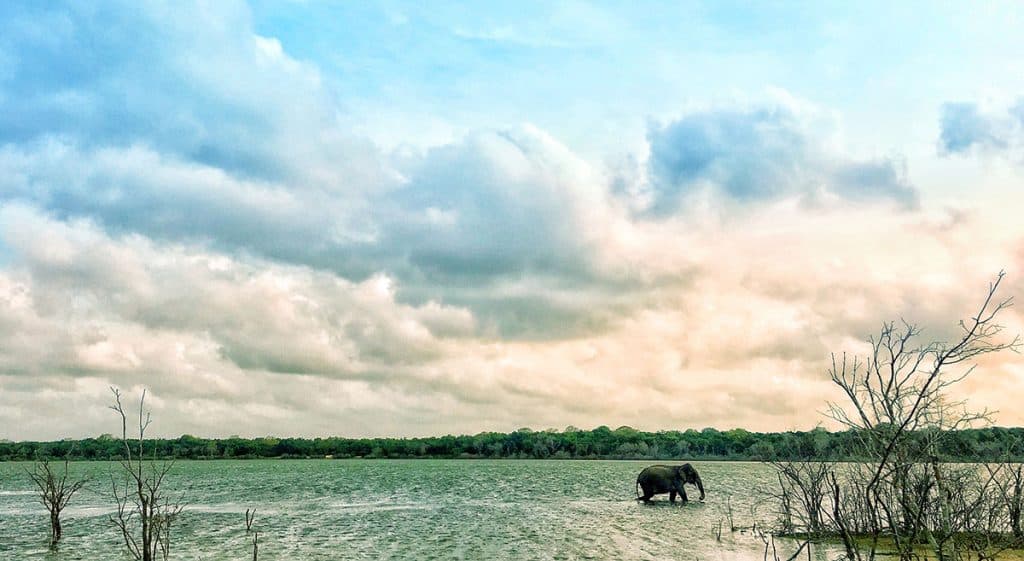
Wilpattu national park is the oldest and perhaps the most important protected area in Sri Lanka. It’s fauna and flora are representative of the dry lowland zone. It is unfortunate that many species living in the park are threatened species.